
Acne & Skin
Acne Scar Treatment

4
Treatment Areas
1:1
Treatment Sessions
1
Treatment Approach
Restoring Smoother Texture with a Personalized Approach
Acne scars can remain long after active acne has disappeared. They may appear as depressed areas, uneven texture, changes in pigmentation, or raised areas of scar tissue. Because different scar types form through different processes, treating acne scarring requires more than simply selecting a stronger procedure.
At OverAir, acne scar treatment begins with identifying the characteristics of each scar. Depressed scars, for example, may include different patterns such as ice-pick, boxcar, or rolling scars, and these can respond differently to treatment. The depth, location, skin tone, degree of inflammation, and overall skin condition are also considered when creating a treatment plan.
Our approach focuses on improving the appearance of uneven texture while preserving the natural character of the skin. Depending on the individual condition, treatment may involve resurfacing procedures, microneedling, radiofrequency-based treatments, chemical peels, scar-focused procedures, or combinations of different modalities. Dermatologists may combine treatments when different aspects of scarring require different approaches.
The goal is not to erase the history of the skin overnight. Instead, we aim to gradually improve the visibility and texture of scars through a treatment plan designed around how the patient’s skin responds.
Understanding the Difference Between Scar Types
Not all acne scars behave in the same way. A depressed scar may require a different approach from a raised scar, while pigmentation left after acne may not technically be a scar at all. Correctly distinguishing these concerns is an important part of treatment planning.
For depressed scars, procedures that encourage collagen remodeling may help improve the appearance of uneven texture. Laser resurfacing, microneedling, and radiofrequency-based treatments are among the procedural options dermatologists may consider. Some patients may benefit from combining approaches to address different components of their scarring.
The condition of the skin before treatment also matters. If active acne continues to develop, new scars may form while existing scars are being treated. For this reason, acne control is often an important first step before focusing extensively on established scarring.
At OverAir, we therefore look at the skin as a whole. Rather than treating every scar with the same energy, depth, or technique, we consider the pattern of scarring and select an approach that is appropriate for the individual.
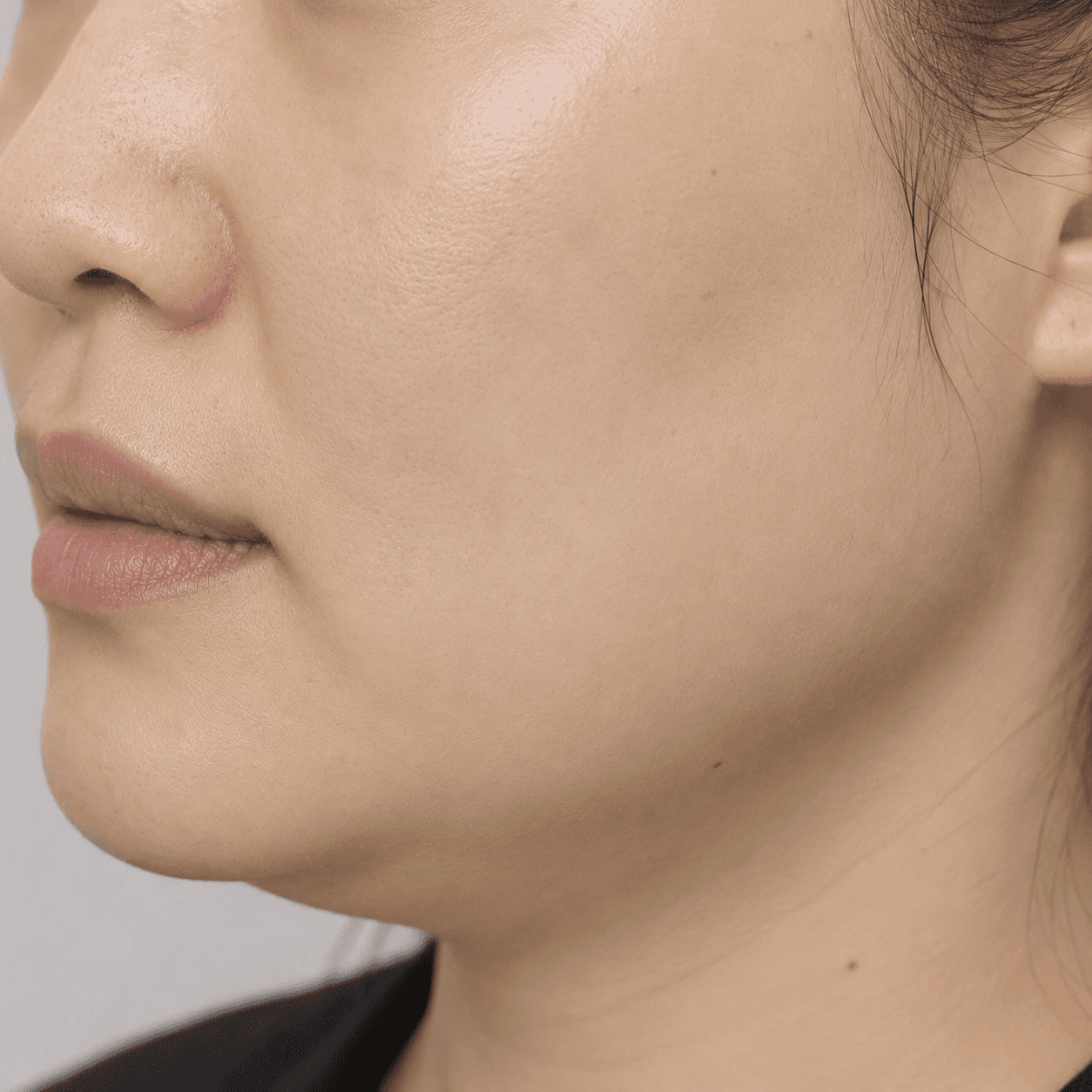
Gradual Improvement Through Consistent Care
Scar treatment is often a process rather than a single event. Skin needs time to recover and remodel after procedures, and the visible result may continue to change as the healing process progresses. The appropriate number and spacing of treatments depend on the scar type, treatment modality, skin condition, and individual response.
During consultation, your dermatologist will discuss realistic expectations, potential downtime, and the level of improvement that may be appropriate for your skin. This allows treatment to be planned around both your aesthetic goals and your daily life.
Our goal is refined improvement rather than an artificial-looking surface. By combining careful diagnosis, appropriate technology, and individualized treatment planning, OverAir approaches acne scars with patience, precision, and long-term skin health in mind.